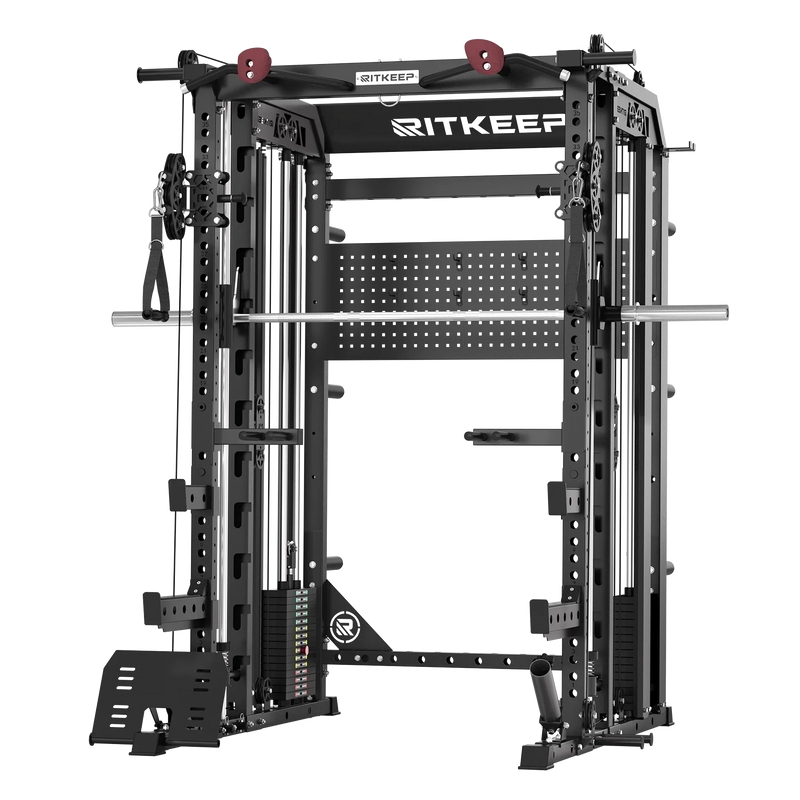
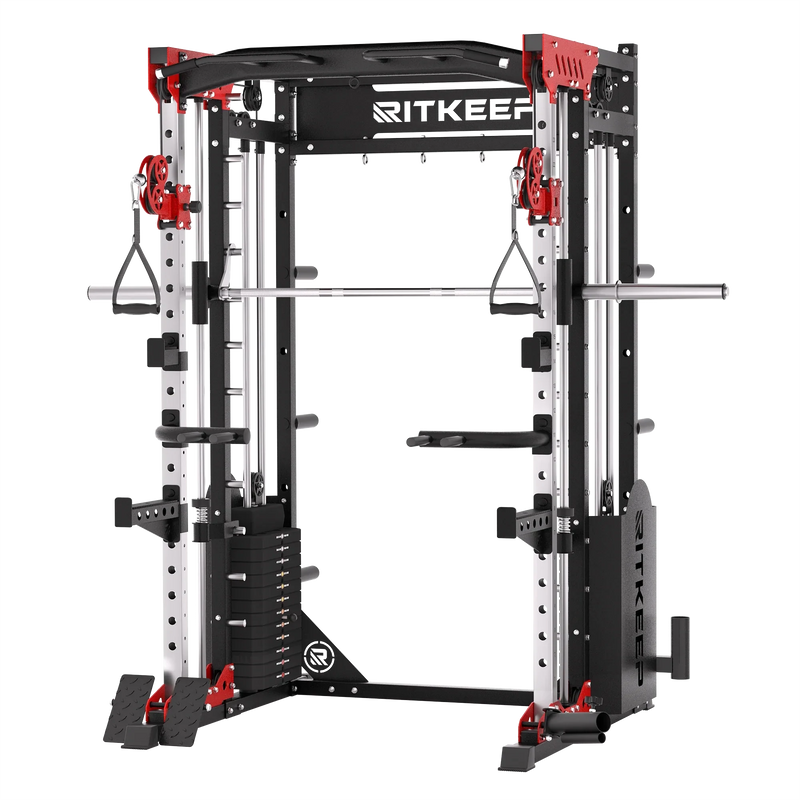
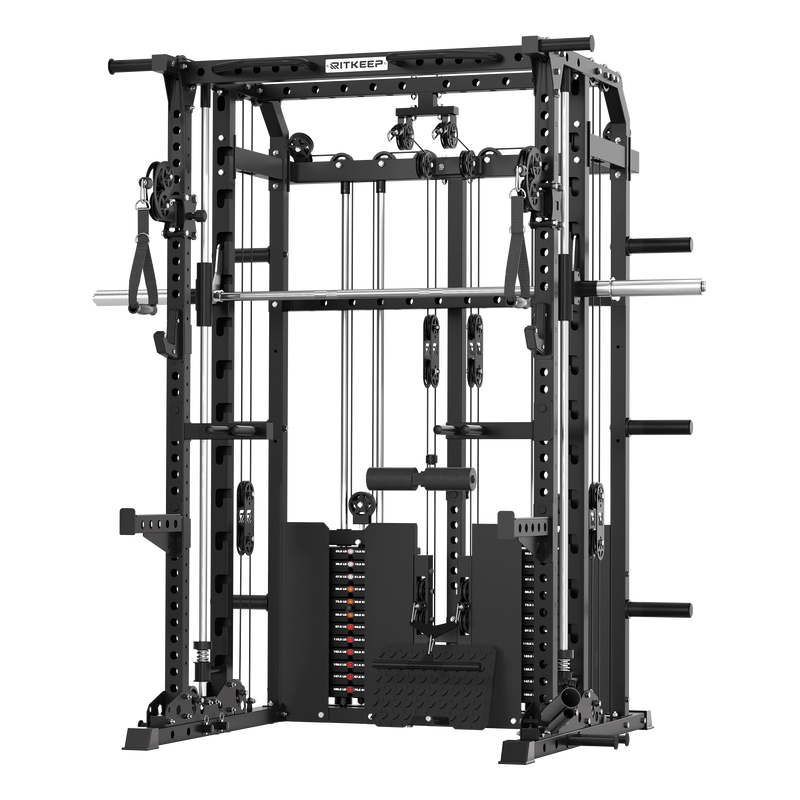
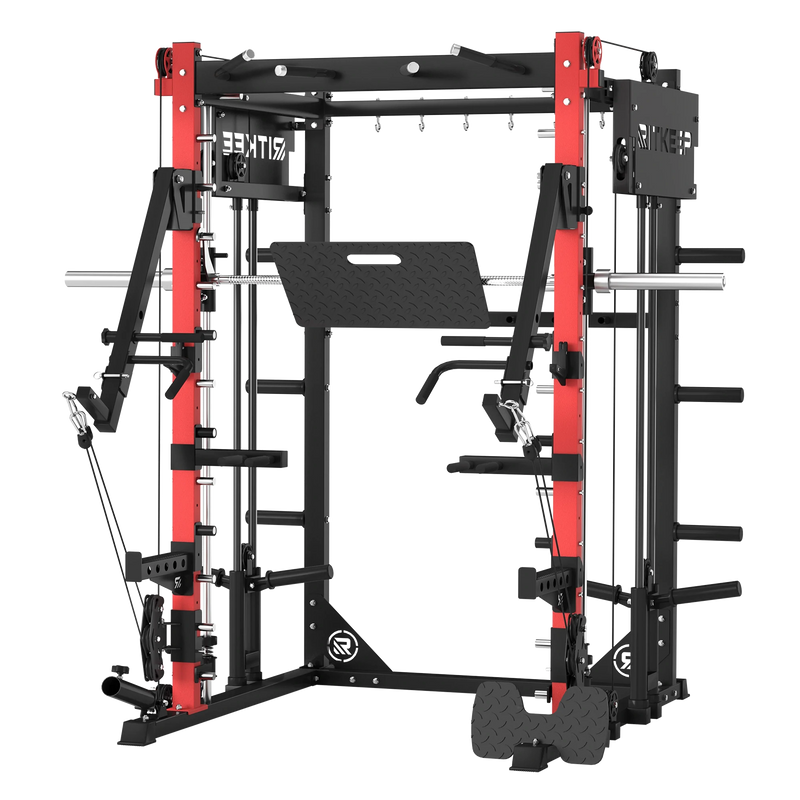


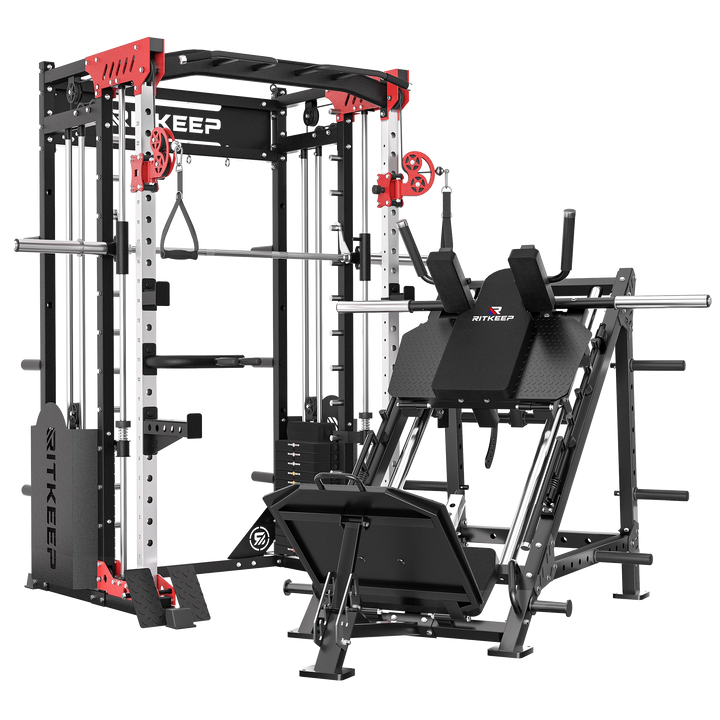
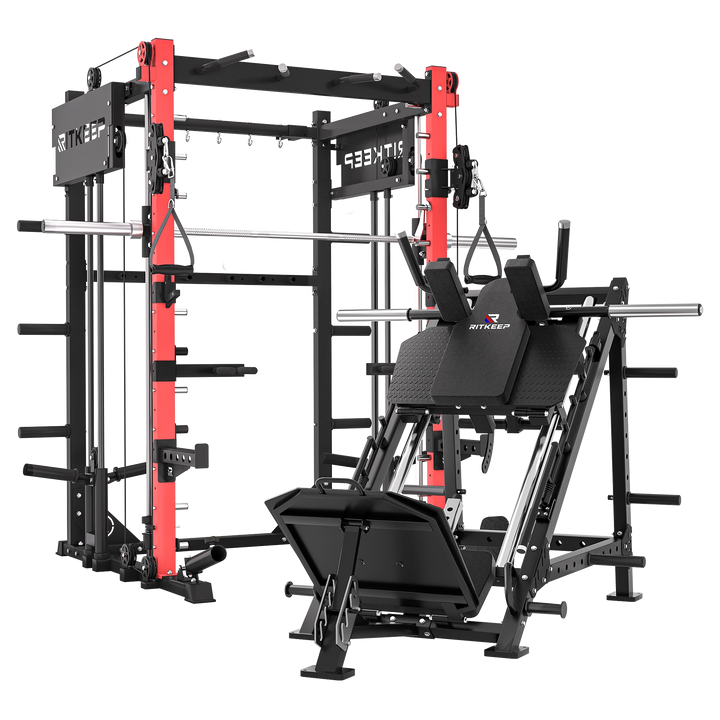
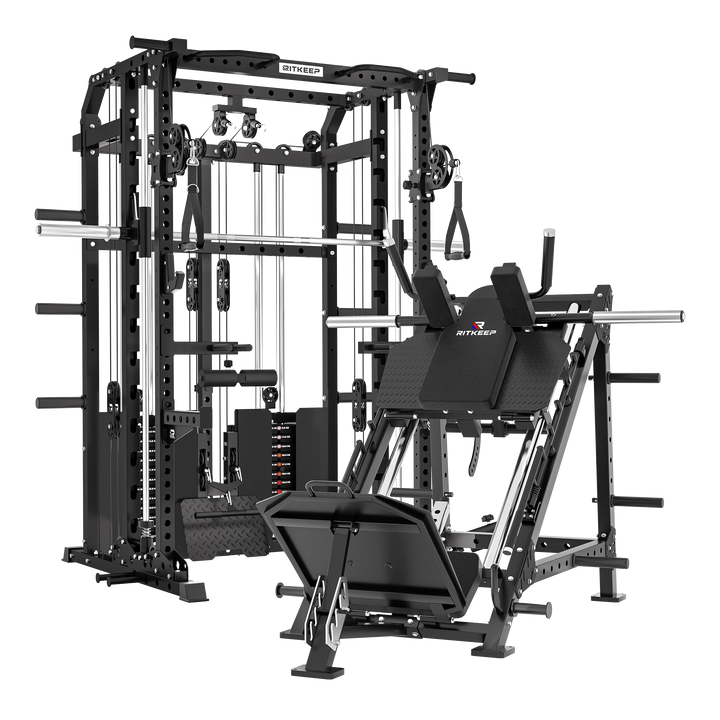
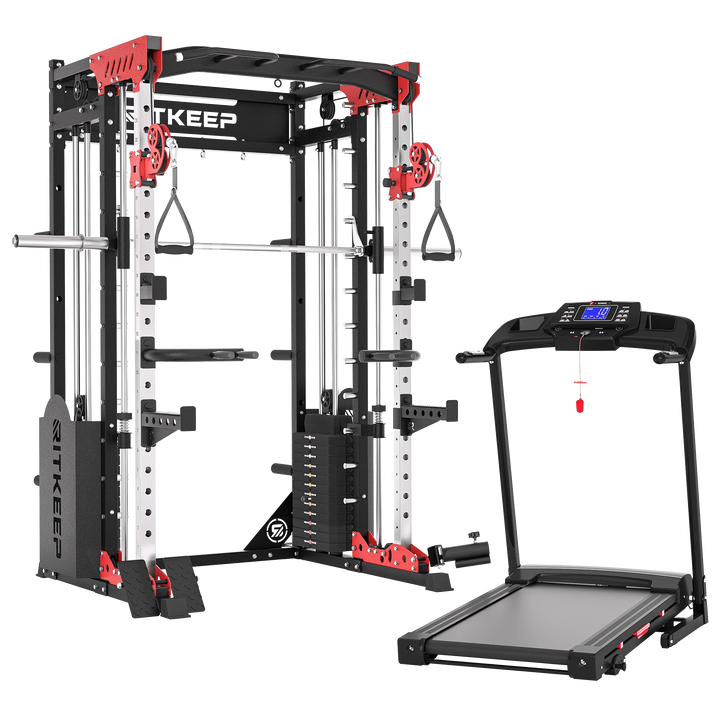









How to Choose the Right All-in-One Trainer For Your Home Gym?
Introduction
You are planning your home gym. On one hand, you dream of high‑intensity free‑weight training. On the other hand, you are faced with serious constraints on space and budget.
The problem: buying a power rack, functional trainer, Smith machine, and pull‑up bar separately is expensive. Together, they can eat up half your garage space. Choose the wrong equipment, and you will not only waste money but also end up with a machine that is either too complicated or missing key features – and it will simply gather dust.
The catch: many "multi‑functional gyms" claim to be "one machine, one gym." But are they really as magical as advertised?
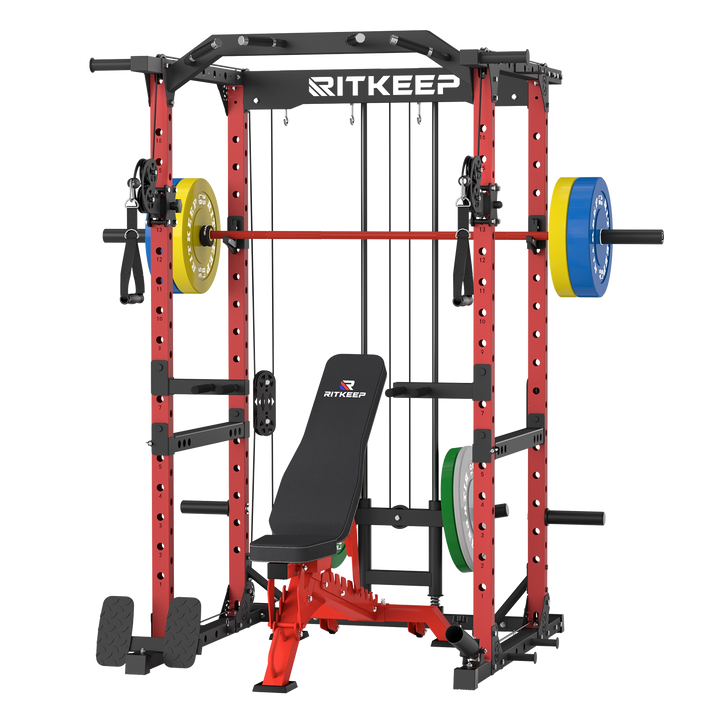
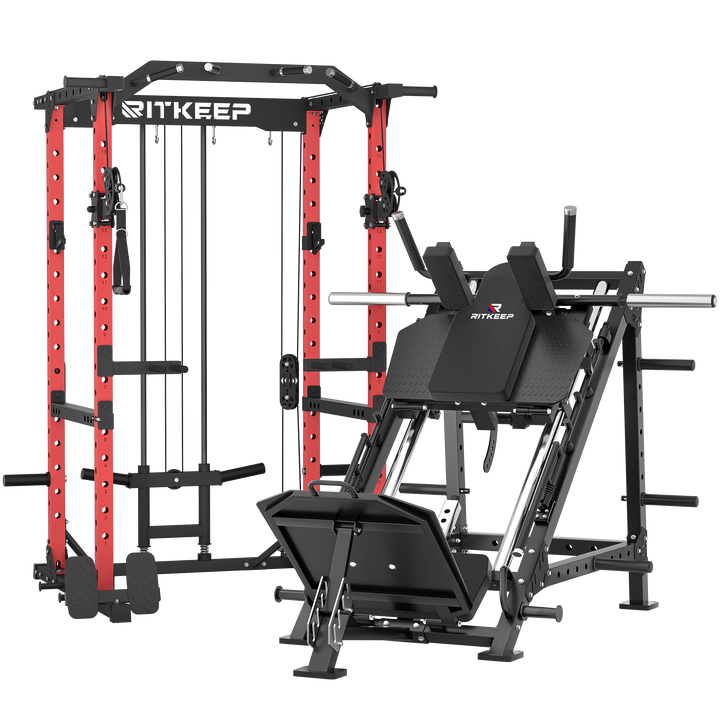
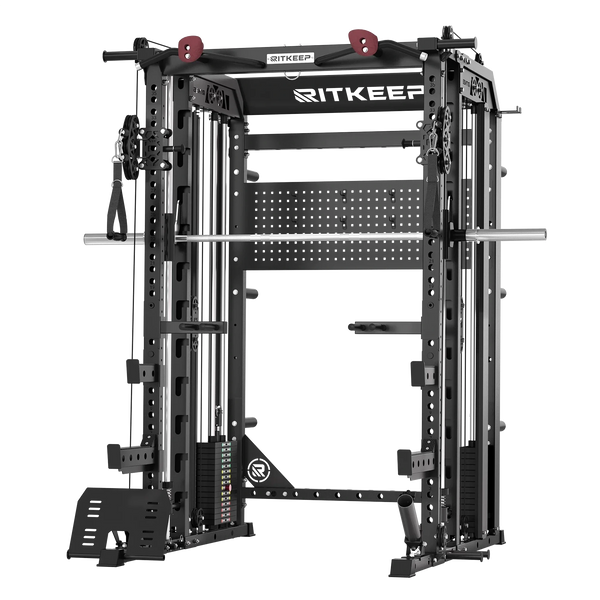
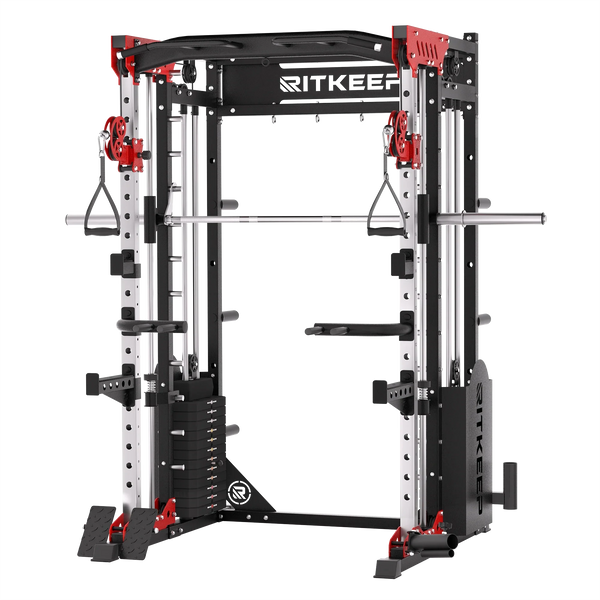
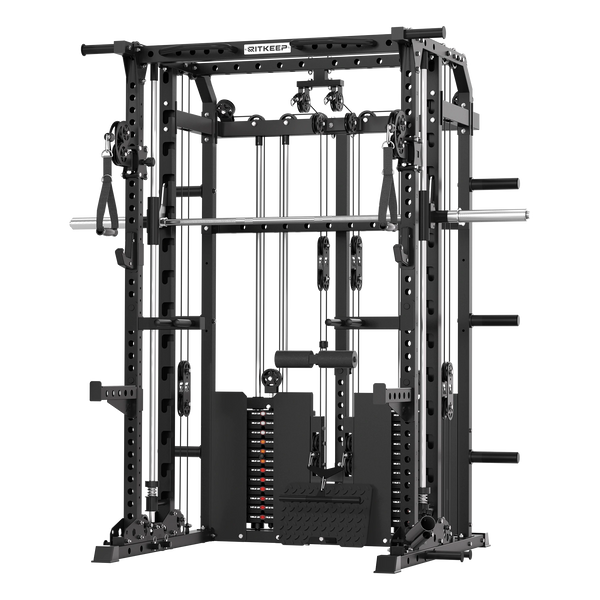
This guide provides a complete selection framework – from training goals, site assessment, budget planning, and key component analysis to product type comparisons. It will help you find the best multi‑functional trainer for your needs from brands like RitKeep.
Content preview: define your training goals, space and budget assessment, three main types of multi‑functional trainers, key specification breakdown, RitKeep product line comparison, selection checklist, and FAQs.

First, Clarify Your Training Goals
Do not focus too much on the price tag before you know what you want to achieve.
Questions you need to answer:
- What is your primary training goal? – Muscle gain, powerlifting, functional training, or fat loss / shaping?
- Which training style do you prefer? – Free weights, Smith‑machine‑assisted training, cable training, or a mix?
- Who will be the main user? – A single user, or multiple family members?
- What is your current training level? – Beginner, intermediate, or advanced?
Match your goals to equipment type:
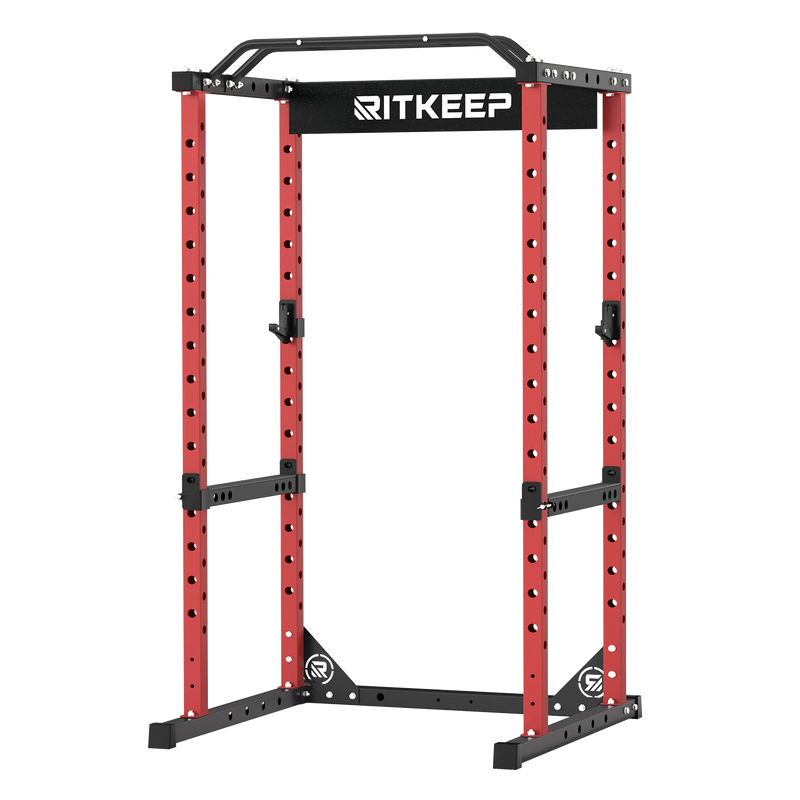
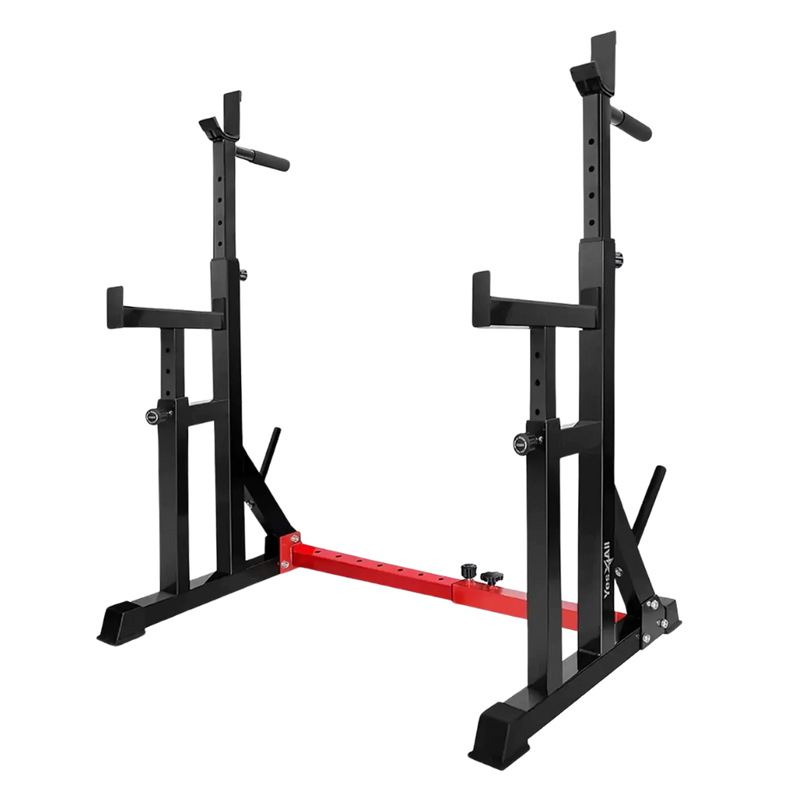
- If your goal is powerlifting – you need a sturdy squat rack and free weights. The Smith machine part of an all‑in‑one trainer may not help much.
- If your goal is muscle growth / physique – a multi‑functional trainer is a great choice, allowing you to perform both compound and isolation exercises on one machine.
- If your goal is functional / total‑body training, then pay close attention to the quality of the cable system. A 2:1 pulley ratio and sufficient cable travel are key.
- If the machine will be shared by family members – you need a wide adjustable resistance range, ease of use, and good safety features.
Assess Your Space
This is where most mistakes happen and where diminishing returns begin.
Common misconception: do not just look at the “product dimensions” in the manual – that is only the static footprint of the machine itself.
What you need to measure:
- Ceiling height: most all‑in‑one trainers are 82‑90 inches tall. You also need an extra 6‑12 inches of clearance for pull‑ups. If you are installing in a basement, measure the actual height from the floor to the lowest beam or joist. For example, the ANVIL S1 is 83.5 inches tall, while the Nimitz N1 requires 84.5 inches.
- Width: the machine itself is usually about 72 inches wide. However, if you use an Olympic bar (84 inches long) and need space on both sides to load plates, you actually need 102‑108 inches of width.
- Depth: the machine itself is about 60‑72 inches deep. The Smith machine’s bar path and the adjustable bench position require extra space. The ANVIL S1 is only 57 inches deep – very compact, ideal for tight spaces.
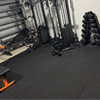
- Floor protection: all‑in‑one trainers are heavy (Nimitz N1 weighs 720 lbs, PMAX‑5600 weighs 653 lbs, ANVIL S1 weighs 675 lbs). Add weight plates and the total easily exceeds 1000 lbs. It is recommended to lay 0.75‑inch thick rubber mats or dedicated gym flooring beforehand.
- Clearance around the machine: leave at least 24‑36 inches of open space around the machine for loading plates, adjusting the bench, and performing cable movements. The PMAX‑4750 manual suggests at least 20 inches of side clearance for comfortable plate loading.
- A simple rule of thumb: for a comfortable workout experience, your available space should be at least 1.5 times the machine’s footprint.
Set a Realistic Budget
All‑in‑one trainers vary widely in price. Setting a clear budget range is the most effective way to narrow down your options.
Price ranges (US market, 2025‑2026, including weight stacks or plates):
- Entry‑level ($800‑1500): basic features, plate‑loaded design, thinner steel, basic pulley system. The PMAX‑4750 falls into this range. It combines a power rack, dual‑pulley system, Smith machine, pull‑up bar, dip station, and low row system in one power‑rack footprint – excellent value for money.
- Mid‑range ($1500‑2800): more complete features, some models include weight stacks, 2:1 pulley ratio, 14‑gauge steel. The RitKeep PMAX‑5600 belongs here, with dual 160 lb weight stacks and a six‑in‑one design.
- High‑end / commercial‑grade home equipment ($2800‑5000+): dual weight stacks, switchable pulley ratios, 13‑gauge or thicker steel, linear bearings, powder coating. The RitKeep Nimitz N1 fits here, with 13‑gauge steel, dual 150‑lb steel weight stacks, and a counterbalanced Smith system.
Hidden costs:
- Weight plates (if you choose a plate‑loaded machine)
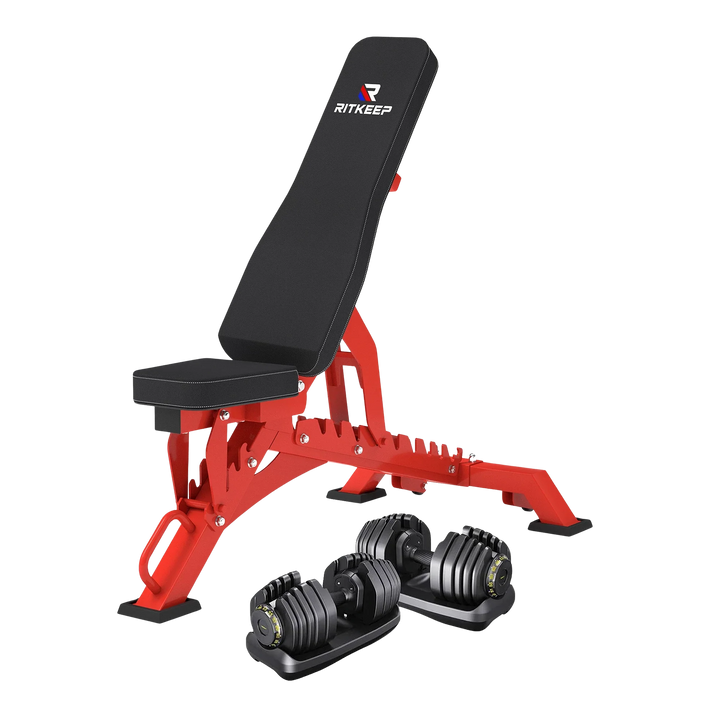
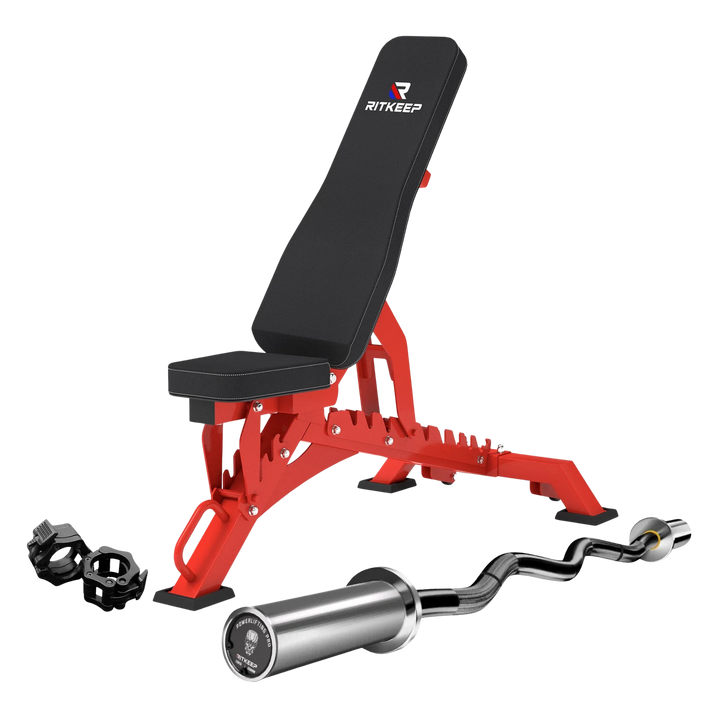
- Adjustable bench
- Flooring and assembly tools
- Shipping costs (all‑in‑one trainers typically weigh 300‑700 lbs; shipping can be $200‑500)
- Additional attachments (e.g., ropes, straight bars, triceps ropes)
From an ROI perspective: a two‑person family gym membership costs about $1200‑2400 per year. A $2500 multi‑functional trainer can pay for itself in 2‑3 years. If bought separately – power rack ($500‑1000) + functional trainer ($1000‑2000) + Smith machine ($800‑1500) – the total is $2300‑4500 and takes up much more space.
Types of Multi‑Functional All‑in‑One Machines
Type 1: Smith Machine + Functional Trainer
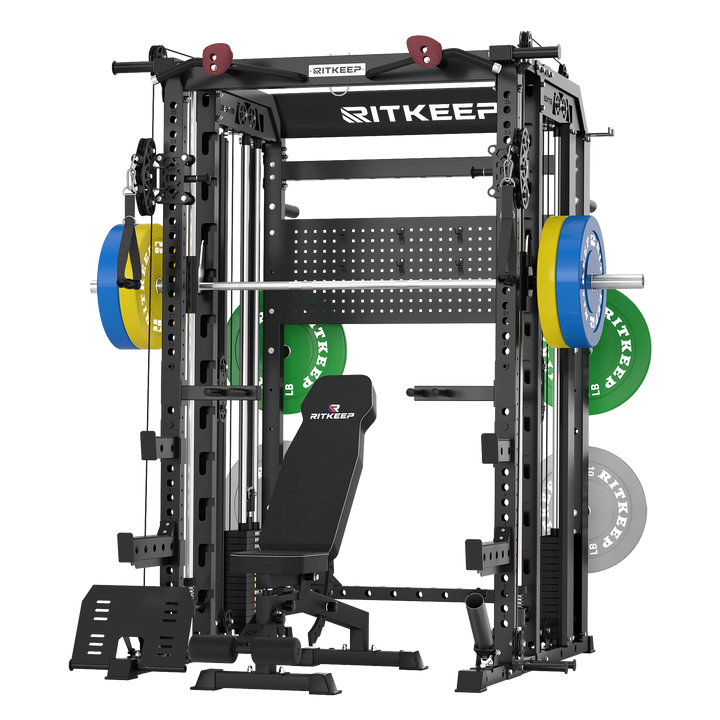
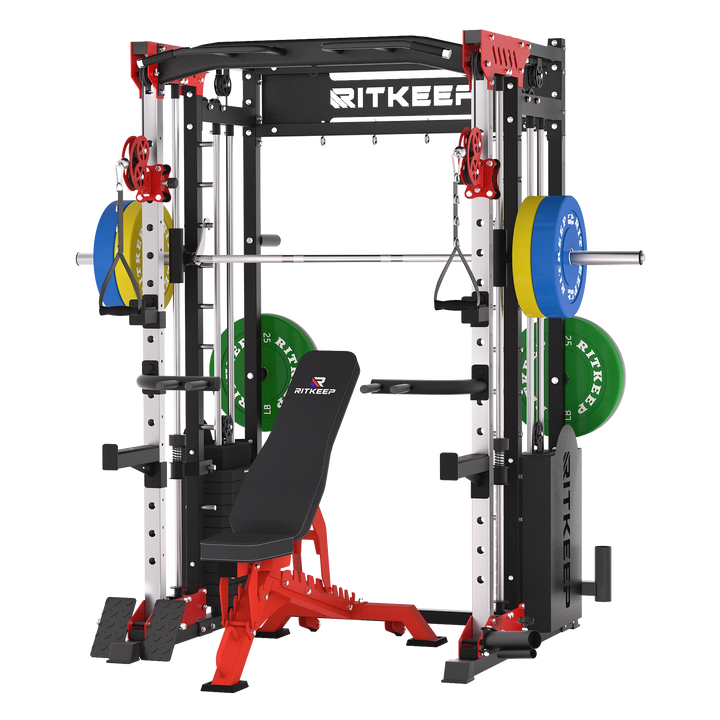
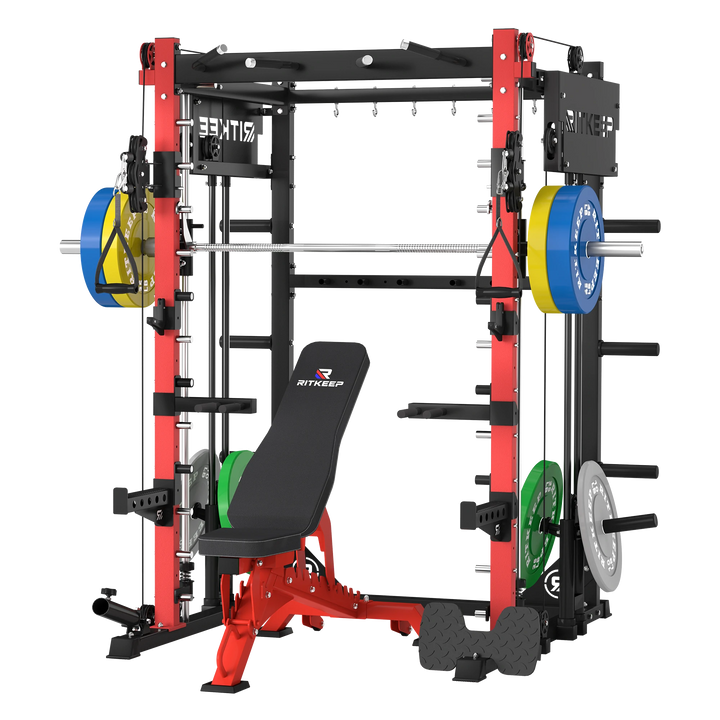
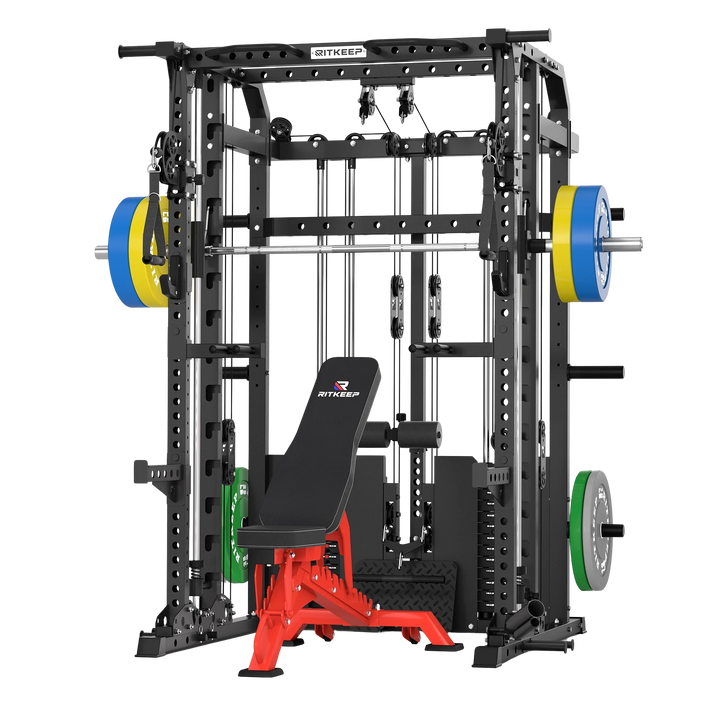
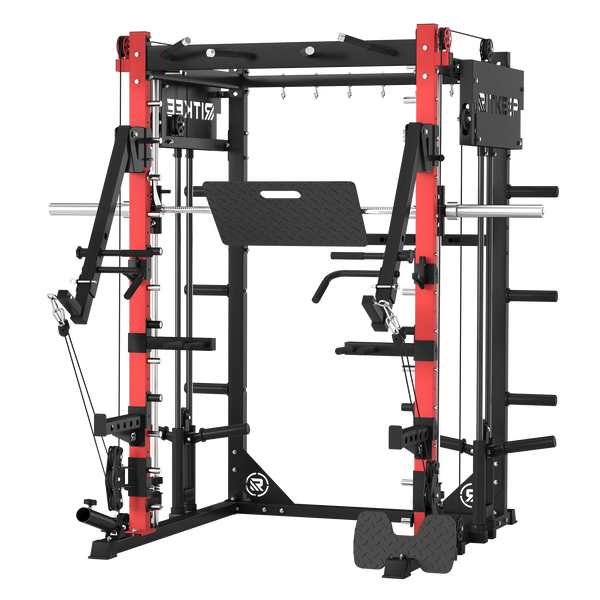
This is the most common type for home gyms. It integrates a Smith machine (or half‑rack trainer) with a dual‑pulley cable system into one machine.
- Pros: safely perform heavy bench presses and squats, while also doing cable crossovers, face pulls, lat pulldowns, etc. No need to buy a separate functional trainer.
- Best for: most home users who want to work multiple muscle groups in a limited space.
- Example models: RitKeep Nimitz N1, PMAX‑5600.

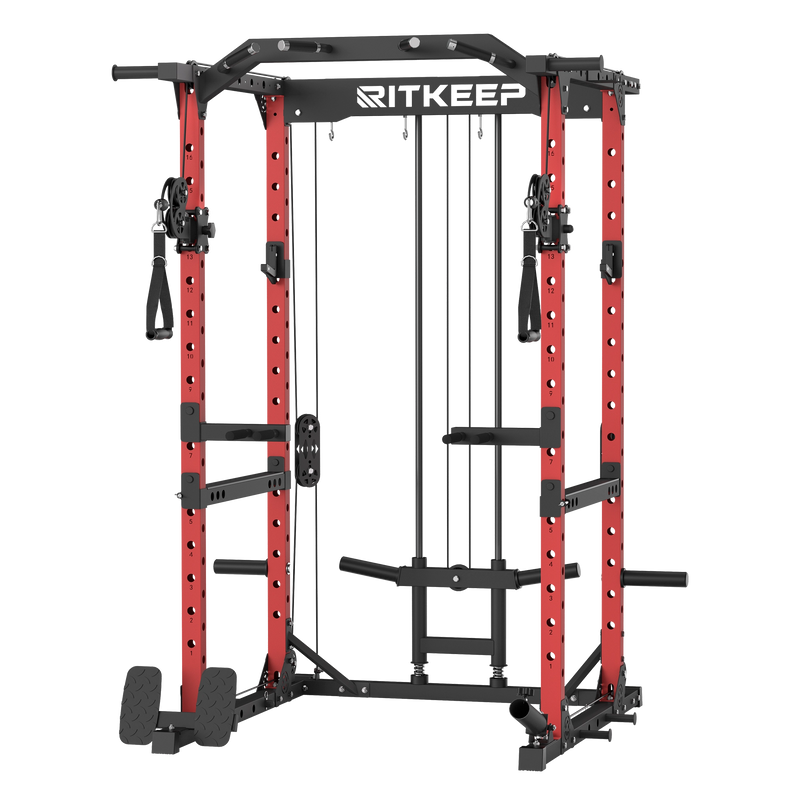
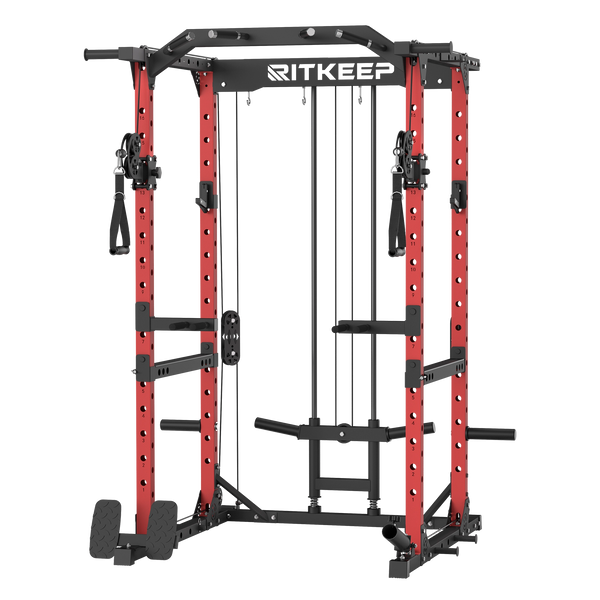
Type 2: Power Rack + Integrated Cables
A pulley system is added to the rear or side of a power rack.
- Pros: full free‑weight training (squats, bench, deadlifts, etc.) plus cable exercises.
- Cons: no Smith machine. If you need the safety of a Smith for failure training or heavy lifting without a spotter, this is not for you.
- Best for: advanced lifters who prioritise free‑weight barbell work and do not rely on Smith‑machine safety.
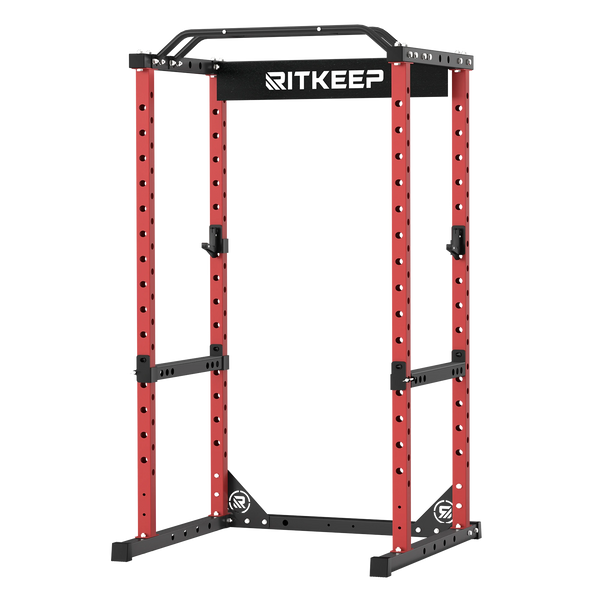
- Example model: RitKeep Destroyer M10 (pure power rack + crossover cables, no Smith bar).

Type 3: Full All‑in‑One (Smith + Power Rack + Functional Trainer)
The three core functions are integrated into one machine – the most comprehensive all‑in‑one trainer.
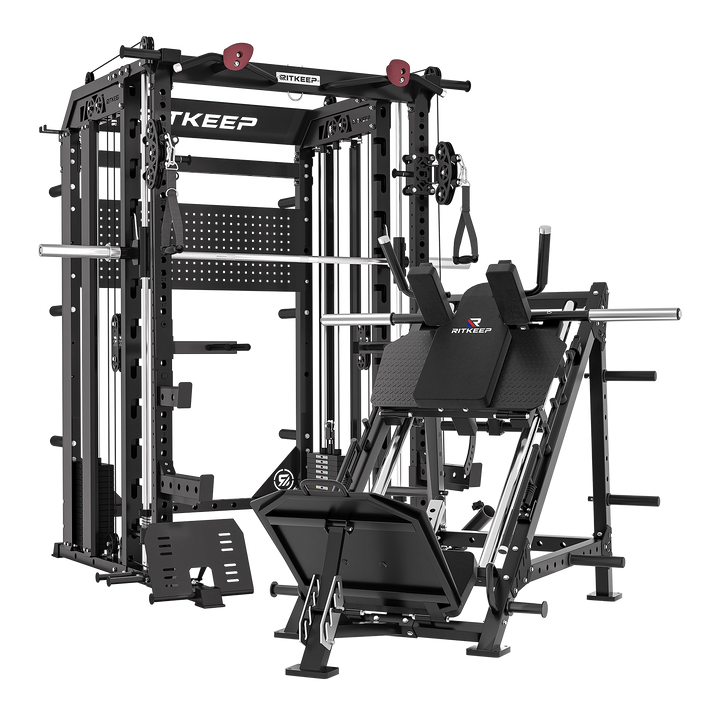
- Pros: everything is possible on one machine. The front can be used for free‑weight squat rack work, the Smith for assisted lifting, and the side/rear pulleys for isolation work.
- Cons: usually the most expensive type, and individual functions may be less specialised than dedicated equipment due to complexity.
- Best for: users with ample budget who want maximum functionality and space utilisation.
- Example model: RitKeep Nimitz N1.

A simple decision path:
Need a Smith machine?
- Yes → choose N1 or PMAX‑5600; also need a small footprint? → choose ANVIL S1
- No (only power rack + cables) → choose Destroyer M10
5 Key Specifications
These five metrics determine the true performance of a multi‑functional trainer. Ignoring them leads to wasted money.
1. Weight System: Stack vs. Plate‑Loaded
- Weight stack: change resistance by inserting a selector pin – takes seconds. More expensive, fixed stack weight (usually 150‑200 lbs per side). Great for home use.
- Plate‑loaded: use your own Olympic plates. Lower cost, theoretically unlimited max weight, but each change requires manual loading/unloading of plates.
How to choose (weight stack):
If you value speed of resistance adjustment, multi‑user suitability, and have the budget, a weight‑stack machine is ideal. The PMAX‑5600 has dual 160‑lb (about 73 kg) stacks; just insert the pin to change resistance in about 2 seconds. The 2:1 pulley ratio provides longer cable travel and smoother motion, while 23 cable height levels offer a wide range of exercises. If you prioritise training efficiency and convenience for the whole family, the PMAX‑5600 is one of the most feature‑packed weight‑stack machines available.
How to choose (plate‑loaded):
If you already own a lot of plates, need very high resistance, and do not mind slower resistance changes, the PMAX‑4750 is ideal. It lets you load your own Olympic plates directly onto the machine, saving the extra cost of built‑in stacks. It also supports switchable 1:1 and 2:1 pulley ratios, giving you high resistance for rows and pulldowns when needed, and smoother cable travel for high‑rep work like flyes and face pulls. If you do not mind manual plate loading and want an “unlimited” weight ceiling, the PMAX‑4750 is well worth serious consideration.
2. Pulley Ratio (2:1 vs. 1:1 vs. Dual Ratio)
- 2:1 resistance ratio: select 110 lbs on the stack, you get about 55 lbs of resistance at the handle. Longer cable travel, smoother motion. Excellent for flyes, face pulls, functional moves, and isolation work.
- 1:1 ratio: select 110 lbs and you get 110 lbs of resistance. Better for rows, pulldowns, and heavy compound pulling.
- Dual‑ratio system (switchable 1:1 and 2:1): represented by the RitKeep Nimitz N1, which features two independent 150‑lb precision steel stacks and a crossover system with switchable pulley ratios. One machine covers both needs – no compromise.
Bottom line: if your budget allows and you want training variety, prioritise models with switchable pulley ratios.
3. Guide Rod Mechanism (Linear Bearings vs. Nylon Bushings)
- Linear bearings: steel balls roll along the guide rods. Smooth, friction‑free operation regardless of load – empty or heavy. This is a hallmark of high‑quality all‑in‑one trainers. The RitKeep Nimitz N1 uses industrial‑grade precision linear bearings.
- Nylon bushings: sliding friction. May stick on startup, can be jerky under heavy loads, and lose precision over time with wear.
How to tell: check the spec sheet – it should clearly state “linear bearings” or “industrial‑grade precision linear bearings.”
Conclusion: for heavy training (squats over 300 lbs) or the smoothest experience, choose linear bearings – they ensure long‑term reliability. RitKeep’s PMAX‑5600, ANVIL S1, PMAX‑4750, and Destroyer M10 also feature linear bearing guides.
4. Steel Gauge and Frame Stability
- Steel thickness: high‑end models often use 13‑gauge steel (about 0.1‑0.12 inches); mid‑range commonly uses 14‑gauge (about 0.075 inches). Thicker steel means a heavier, more stable machine. The Nimitz N1 uses 13‑gauge; PMAX‑5600, ANVIL S1, PMAX‑4750, and Destroyer M10 use 14‑gauge alloy steel.
- Total machine weight: lighter assembled units (under 300 lbs) may wobble when re‑racking heavy weights. High‑end models often weigh 600‑800 lbs.
- Check weld quality: look for uniform, smooth welds without porosity.
5. Attachment Compatibility and Accessories
- J‑hook padding: confirm that J‑hooks have plastic inserts to protect your barbell knurling.
- Weight plate storage: check if the machine has sufficient plate storage pegs. The Nimitz N1 includes plate holders.
- Cable attachments: see what is included as standard. The Nimitz N1 comes with dip bars, safety bars, J‑hooks, landmine, foot plate, plate holders, short straight bar, T‑bar, pulldown bar, D‑handle, and triceps rope. The PMAX‑4750 includes safety arms, J‑hooks, rowing foot plate, pulldown bar, dip bars, single handle, T‑bar row, and landmine. The Destroyer M10 includes pulldown bar, T‑bar row, straight bar, landmine, dip bars, band pegs, foot plate, and double‑D handles.
- Third‑party compatibility: verify the cable connector type and whether common third‑party attachments fit. The Destroyer M10 has 2×2‑inch uprights with 1‑inch holes, compatible with many standard accessories.
RitKeep Product Line Comparison – Which for Whom
| Model | Type | Pulley Ratio | Weight System | Key Features | Best For |
|---|---|---|---|---|---|
| Nimitz N1 (Pro) | Smith + Functional Trainer | Switchable 1:1 & 2:1 | Dual 150‑lb stacks; Pro version adds 220‑lb plate pack | 13‑gauge steel; linear bearings; 200°C electrostatic powder coat; 120 lock positions; 33 cable height levels | Families with mixed ability levels; users wanting full functionality; higher budgets. |
| PMAX‑5600 | Smith + Functional Trainer | 2:1 | Dual 160‑lb stacks (320 lbs total, optional 400 lbs) | Six‑in‑one design; 2:1 pulley system; 23 cable height positions; 14 safety pins; 1.1‑inch diamond‑knurled chrome bar | Users wanting full features at a more affordable price; 2:1 ratio meets daily needs; room to grow strength. |
| ANVIL S1 | Smith + Functional Trainer | 2:1 | Dual rear‑mounted 160‑lb stacks | Compact design (57″ depth); no‑setup pulldown/low row cables; 33 cable height positions; 200° rotating pulleys | Very tight spaces but still need a full‑featured trainer and Smith machine. |
| PMAX‑4750 | Smith + Functional Trainer | Switchable 1:1 & 2:1 | Plate‑loaded | Six‑in‑one design; dual‑ratio switching; 12 cable height adjustments; 35‑lb Smith bar | Already have plates; want maximum weight ceiling; budget‑conscious. |
| Destroyer M10 | Power Rack + Cables (no Smith) | 2:1 | Plate‑loaded | Pure power‑rack construction; 1200‑lb safety arms; 15‑gauge cables; 16×1‑inch hole uprights | Prioritise free‑weight barbell training and do not rely on Smith‑machine safety. |
Ten‑Step Selection Checklist
Check every item before clicking “Buy Now”:
- Have you clearly defined your primary training goal?
- Have you measured your space (length, width, height, including cable travel and barbell loading clearance)?
- Is your ceiling height at least 84 inches?
- Do you have enough clearance (at least 18 inches on each side, 24‑36 inches in front)?
- Have you determined your total budget (including plates, bench, flooring, shipping)?
- Have you decided between weight‑stack and plate‑loaded?
- Have you chosen your preferred pulley ratio (2:1, 1:1, or dual)?
- Have you checked the guide rod mechanism (linear bearings vs. nylon bushings)?
- Have you verified steel gauge and total machine weight?
- Have you confirmed which attachments are included and compatibility with third‑party accessories?
Frequently Asked Questions
1. Can a multi‑functional trainer really replace several pieces of equipment? Is it worth it?
Yes. A well‑designed all‑in‑one trainer combines a Smith machine, functional trainer, power rack, pull‑up bar, dip station, and low row into one small footprint. Models like the Nimitz N1 integrate six built‑in systems in one robust unit. For most home users, the space and cost savings compared to separate commercial units more than compensate for any minor compromises.
2. Is an all‑in‑one trainer more cost‑effective than buying separately?
Absolutely. Buying these items separately would cost $2300‑4500 total and take up much more space. A mid‑range all‑in‑one like the PMAX‑5600 (around $1800‑2300) offers all three functions on one machine.
3. My basement has a low ceiling (82 inches). Can I install an all‑in‑one trainer?
Check the exact height of the machine. The ANVIL S1 requires 83.5 inches, PMAX‑4750 requires 83 inches, Destroyer M10 requires 83.5 inches, and Nimitz N1 requires 84.5 inches. If your ceiling is below 84 inches, you may need to look for a shorter model or consider removing the pull‑up bar.
4. I am a beginner. Will an all‑in‑one trainer be too complicated for me?
Not at all. In fact, counterbalanced machines like the Nimitz N1 are excellent for beginners. The Smith bar connects directly to the weight stack, lowering the starting weight and making lifts smoother and easier. The guided Smith bar eliminates the fear of balancing free weights, letting you focus on proper form.
5. Is a multi‑functional trainer suitable for multiple family members?
Yes – provided you choose the right type. Counterbalanced machines like the Nimitz N1 are great for families with varying strength levels. The ultra‑light starting bar (5‑lb feel weight) suits beginners, seniors, and rehab users, while experienced lifters can still load on heavier plates.
6. Which machine is safest for elderly family members and children?
The Nimitz N1 is a counterbalanced Smith machine whose counterweight design connects the Smith bar directly to the stack, reducing starting weight for smooth, easy lifting. The guided Smith bar removes stability concerns, and built‑in safety hooks lock the bar at 12 different positions. It is designed for whole‑family home gym use.
7. I live in an apartment. Which model is the most space‑saving?
The ANVIL S1 is your best choice, with a depth of only 57 inches and a compact design. The rear‑mounted dual stacks keep the front area clear for Smith work. The built‑in pulldown and low row systems require no setup or carabiner changes – unlike traditional multi‑machines where you must do these at the front. The built‑in dual‑drive pulley system lets you perform pulldowns and rows inside the machine, maximising space.
8. Can I attach weight plates to the Smith bar to increase resistance?
No. On counterbalanced Smith machines like the Nimitz N1, the linkage is designed to reduce the initial weight of the empty bar (for beginners), not to add resistance. If you need more effective resistance, add plates directly onto the Smith bar as you would on any other Smith machine.
Part 10: Final Conclusion – Purchase Decision Summary
Integration and convenience: Multi‑functional trainers combine a Smith machine, power rack, functional trainer, and more into one space‑ and cost‑saving unit. Choose the type that matches your training goals.
Key components determine long‑term experience: Pulley ratio, weight‑system type, steel gauge, and linear bearings are critical for performance and durability. Never overlook them.
Space and budget first: Always verify ceiling height, floor load capacity, and clearance before buying. Factor in hidden costs when calculating total budget to avoid overspending.
RitKeep model recommendations:
- Top‑tier → Nimitz N1 – 13‑gauge steel, switchable 1:1 and 2:1 ratio, counterbalanced Smith, linear bearings. The ultimate all‑in‑one.
- Small spaces → ANVIL S1 – only 57″ deep, rear‑mounted stacks, no‑setup pulldowns. Ideal for apartments or small rooms.
- Affordable plate‑loaded → PMAX 4750 – dual‑ratio switching, 6‑in‑1 design. Great value if you already have plates.
- Free‑weight first → M10 – pure power rack with cable crossover. No Smith bar – for those who want a true free‑weight experience.
- Balanced features and price → PMAX‑5600 – 2:1 ratio, dual 160‑lb stacks, 23 cable positions. The ideal blend of value and functionality.
Investing in a multi‑functional trainer is a long‑term decision. The right machine will accompany you through years of training. Do your homework now, rather than discovering it is not right after delivery.