


How to Master the Cable Crossover Exercise for a Bigger Chest
When it comes to building a sculpted, powerful chest, most fitness enthusiasts automatically head straight for the bench press. While heavy compound lifts are great for building overall mass, they often leave a gap in total chest development. That is where the cable crossover comes in.
Unlike free weights, where tension drops off at the top of the movement, using a cable crossover machine provides constant resistance throughout the entire range of motion. In this guide, you will learn how to perform cable crossovers correctly, how different pulley angles target different areas of the chest, and how to choose the right cable crossover equipment for your home gym.
Why the Cable Crossover Machine Is So Effective for Chest Growth
To understand why the cable crossover machine is a staple in bodybuilding and chest training, it helps to look at how resistance works. During a dumbbell fly, gravity provides the resistance. At the top of the movement, when your hands are directly above your shoulders, the tension on your chest drops significantly.
Constant Tension for Maximum Hypertrophy
A cable system solves this problem. Because the resistance is guided by a pulley and cable system, the tension stays consistent through the stretch, mid-range, and peak contraction. This keeps your chest working throughout the entire movement, especially when you squeeze your hands together at the end of each rep.
Better Mind-Muscle Connection
Cables also help isolate the pectorals by reducing the involvement of secondary muscles such as the triceps. This allows you to focus more directly on the chest contraction, creating better muscle engagement and a stronger mind-muscle connection.
Understanding Chest Anatomy for Cable Crossovers
To get the most from cable crossover equipment, it is important to understand the basic structure of the chest. The pectoralis major can be divided into three main training regions.
- Upper Chest: The clavicular head runs from the collarbone. It is best targeted with low-to-high cable movements.
- Mid-Chest: The sternocostal head is the largest part of the chest and is trained effectively with horizontal cable fly movements.
- Lower Chest: The lower chest fibers are best targeted with high-to-low cable crossover movements.
By adjusting the pulley height on your cable crossover machine, you can change the resistance angle and focus on different areas of your chest.
How to Properly Do Cable Crossovers for Chest
Using poor form can reduce chest activation and place unnecessary stress on your shoulders. Follow these steps to perform cable crossovers properly.
Step 1: Set Up the Machine
Set the pulleys to your desired height. For a standard mid-chest cable crossover, place the pulleys at shoulder height. Attach D-handles to both cables, grab the handles, and step forward into the center of the machine.
Step 2: Position Your Body
Use a staggered stance with one foot forward and one foot back for balance. Lean slightly forward from the hips, keep your core tight, lift your chest, and pull your shoulders back and down. Keep a slight bend in your elbows throughout the movement.
Step 3: Perform the Movement
Inhale as you allow the cables to pull your arms back and stretch your chest. Stop when your elbows are roughly in line with your torso. Exhale as you bring your hands together in a wide arc. Focus on bringing your upper arms together rather than simply touching your hands.
Step 4: Squeeze and Return
Hold the peak contraction for one second, then slowly return to the starting position under control. Avoid letting the weight stack pull your arms back too quickly.
Cable Crossover High to Low vs. Low to High
Different pulley positions allow you to target different parts of the chest. Choosing the right variation can help balance your chest development.
Cable Crossover Chest High to Low
Set the pulleys above your head and bring the handles down toward your waist. This high-to-low cable crossover targets the lower chest and helps build a more defined lower pectoral line.
Cable Crossover Low to High
Set the pulleys at the lowest position and bring your hands upward and together in front of your upper chest or chin. This low-to-high cable crossover emphasizes the upper chest and is useful if you want more fullness near the collarbone.
Standard Cable Crossover
Set the pulleys at shoulder height and bring your arms across your torso in a wide hugging motion. This version targets the mid-chest and is the most common cable crossover variation.
Cable Crossover Variations and Equipment Compatibility
| Exercise Variation | Primary Target Area | Setup and Movement Guide | Compatible RitKeep Models |
|---|---|---|---|
| Cable Crossover Chest High to Low | Lower Chest | Set pulleys at the highest position and bring the handles down and together toward the waist. | Destroyer M10, PMAX 5600, Anvil S1, PMAX 4750, Nimitz N1 |
| Cable Crossover Low to High | Upper Chest | Set pulleys at the lowest position and bring the handles upward and together in front of the chest. | Destroyer M10, PMAX 5600, Anvil S1, PMAX 4750, Nimitz N1 |
| Standard Cable Crossover | Mid-Chest | Set pulleys at shoulder height and fly horizontally across the torso. | Destroyer M10, PMAX 5600, Anvil S1, PMAX 4750, Nimitz N1 |
| Single Cable Chest Workout | Inner Chest and Peak Contraction | Use one pulley and pull the handle across the body’s midline for unilateral chest isolation. | Destroyer M10, PMAX 5600, Anvil S1, PMAX 4750, Nimitz N1 |
Sample Cable Chest Workouts
Beginner Routine
- Standard Cable Crossover: 3 sets of 12 reps
- High-to-Low Cable Crossover: 3 sets of 15 reps
Advanced Routine
- Cable Crossover Chest High to Low: 4 sets of 10 to 12 reps
- Low-to-High Cable Crossover: 4 sets of 12 to 15 reps
- Single Cable Chest Workout: 3 sets of 12 reps per side
A single cable chest workout allows your arm to move across the body’s midline, creating a strong peak contraction that is difficult to achieve with free weights.
Explore More Strength Training Tools
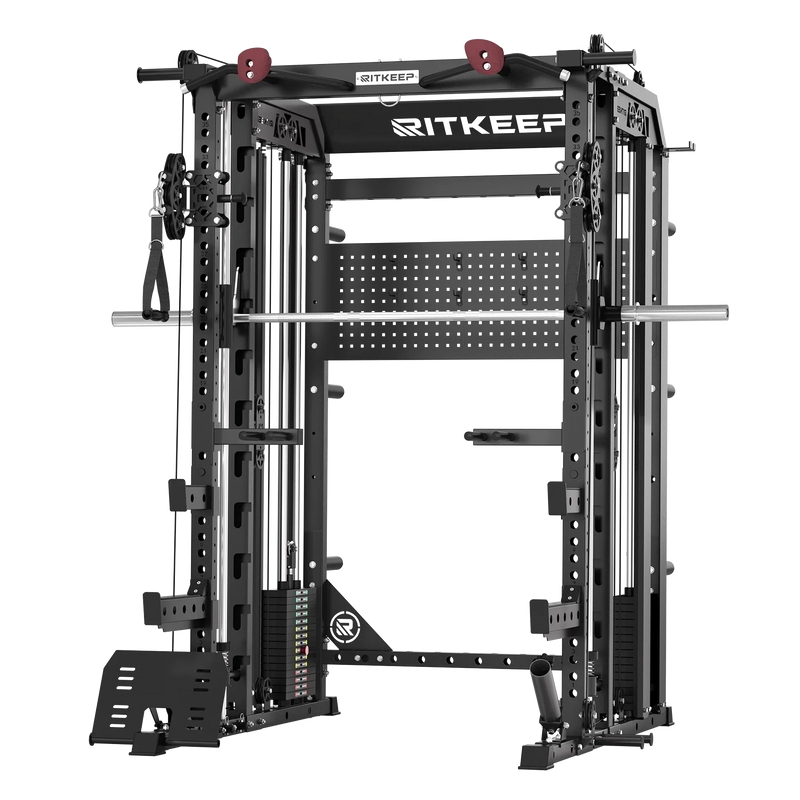
For many fitness enthusiasts, the dream is to have a dedicated cable crossover machine at home. However, traditional commercial cable machines require a large amount of floor space and are often designed for only one main purpose.
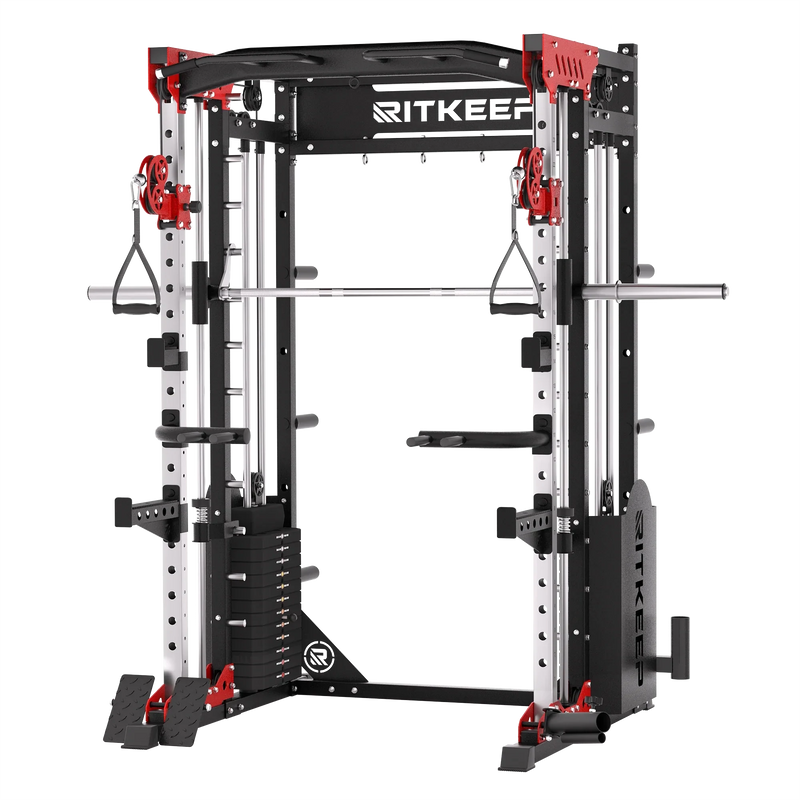
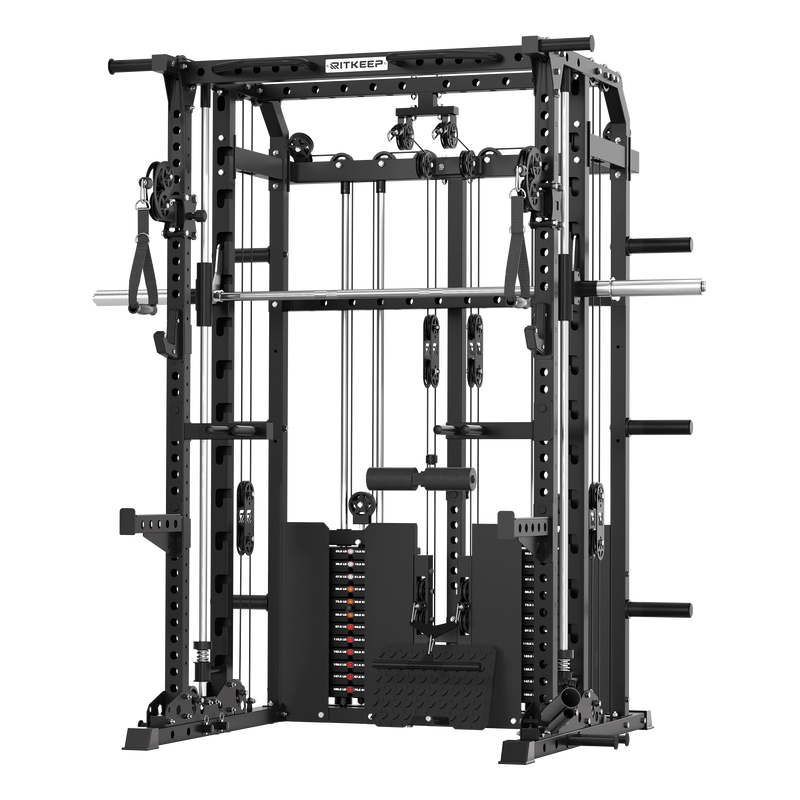
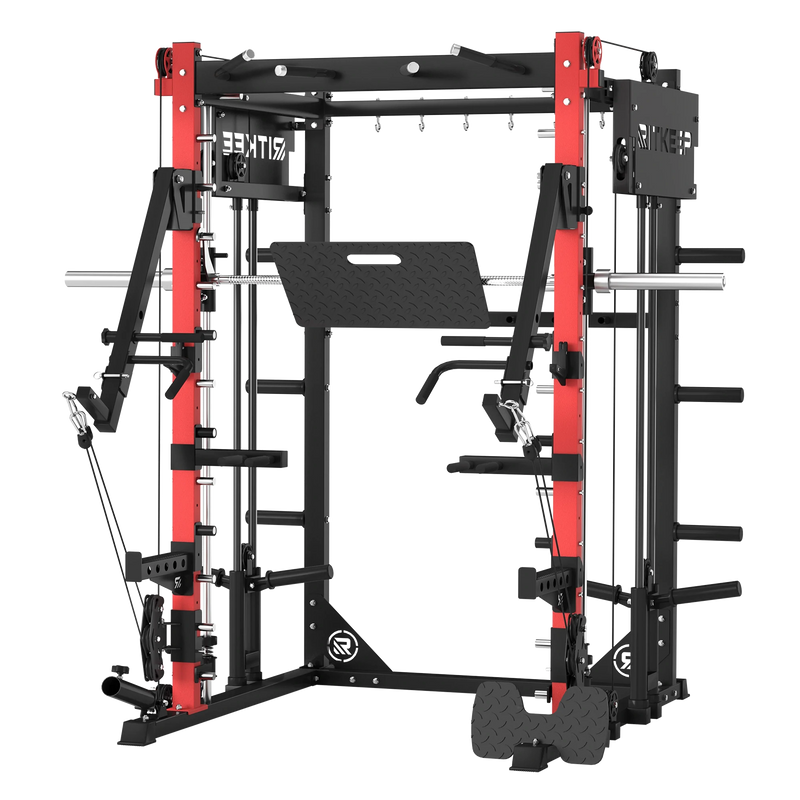
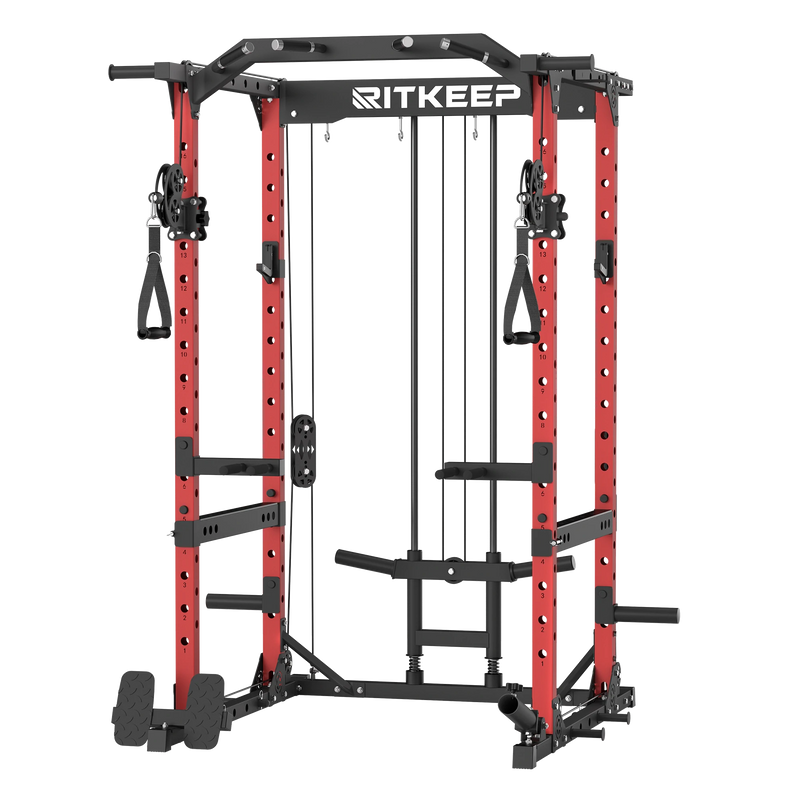
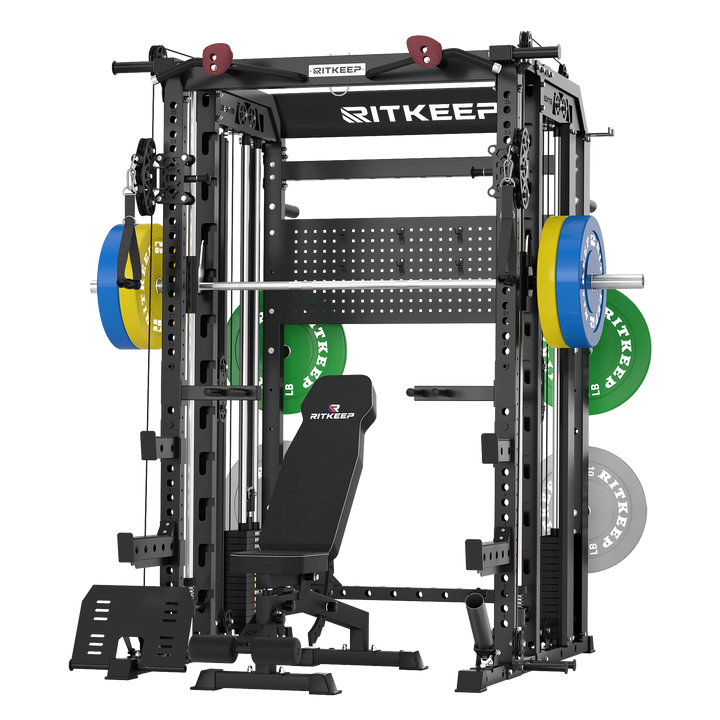
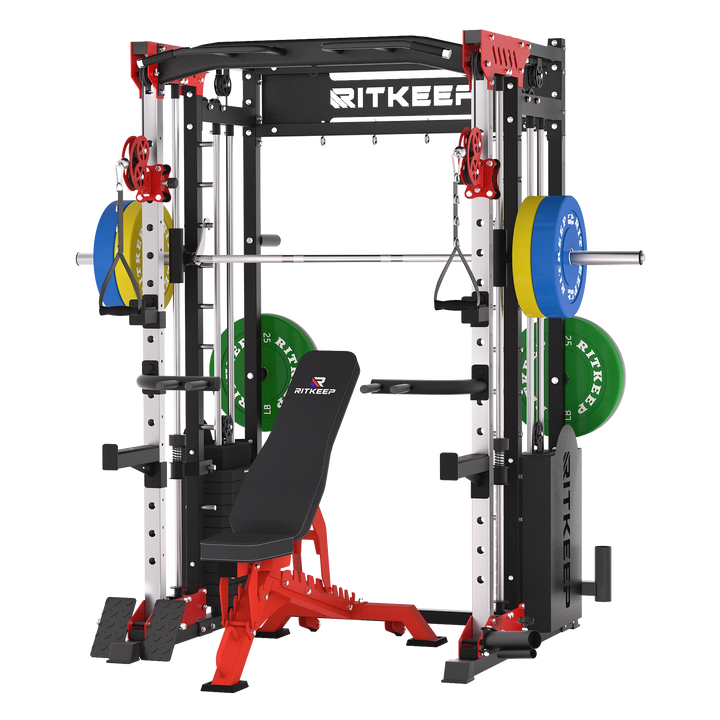
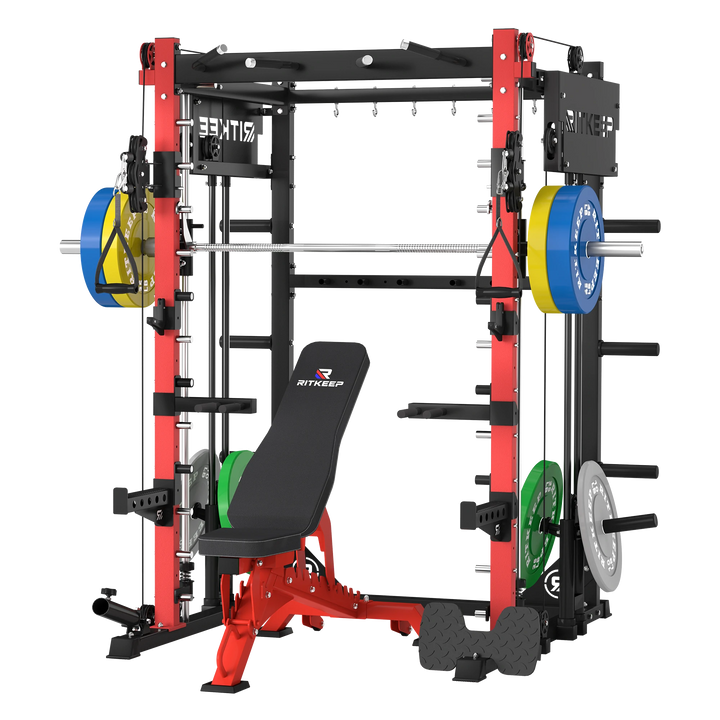
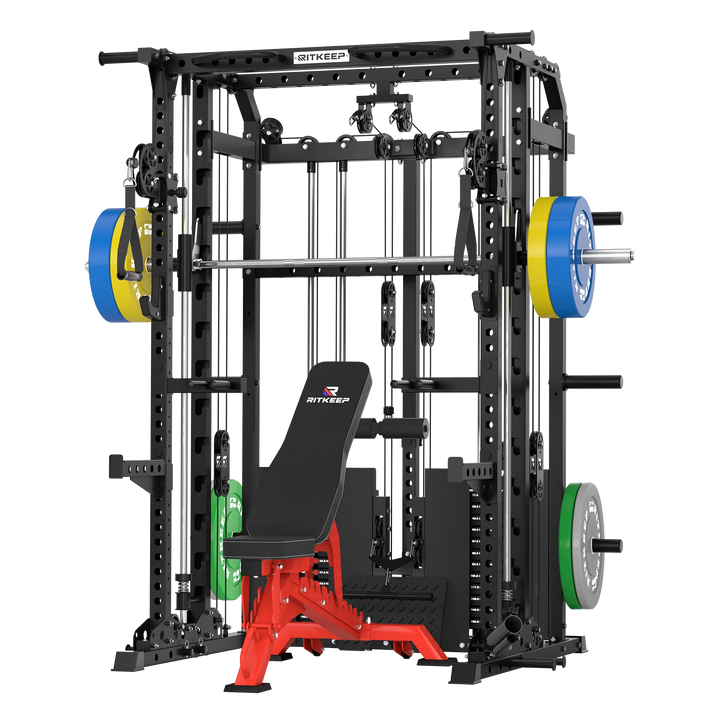
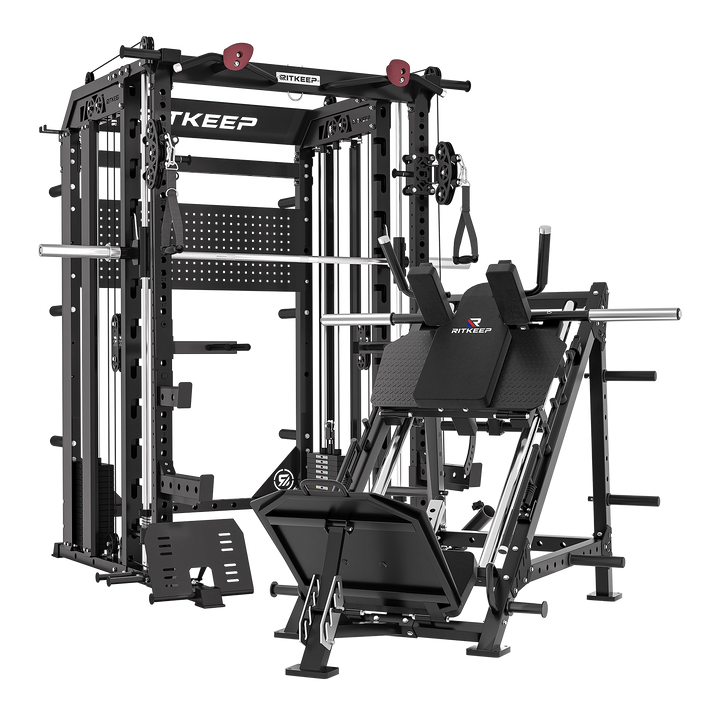
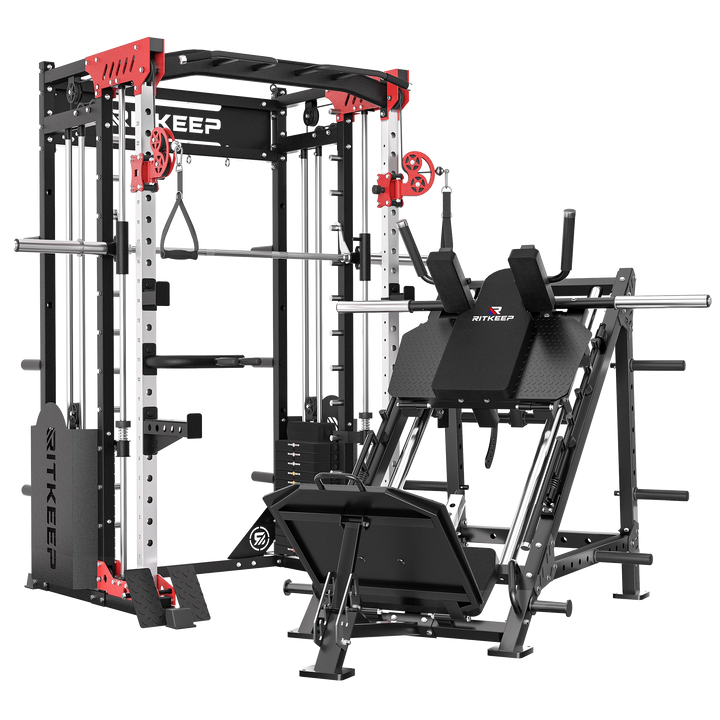
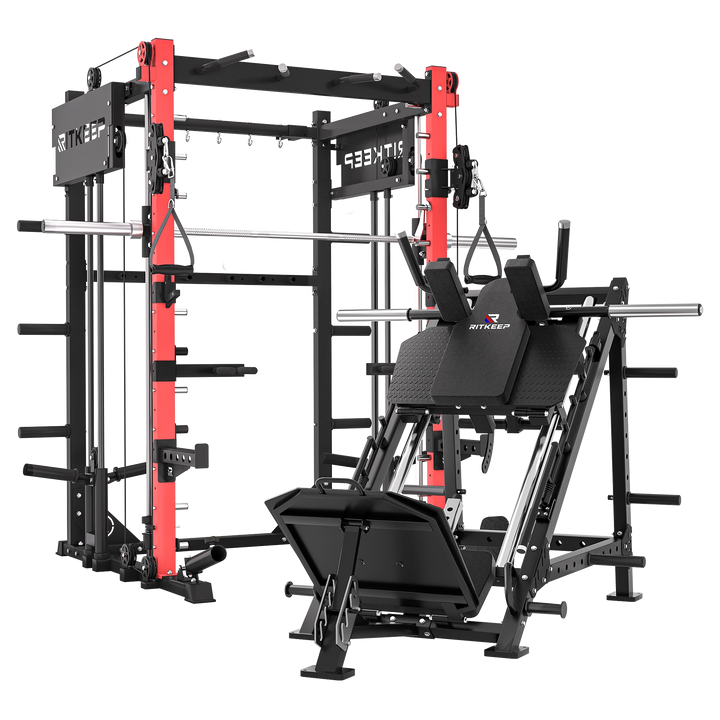
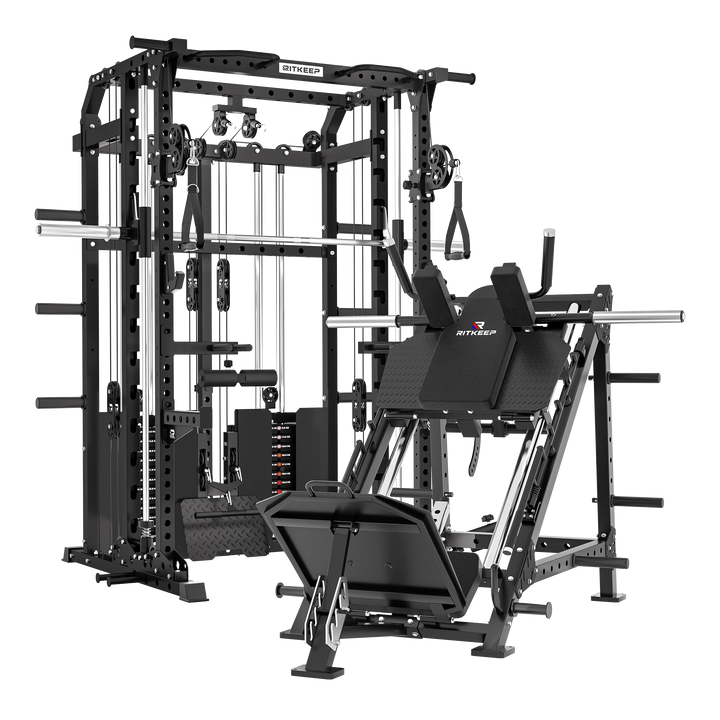
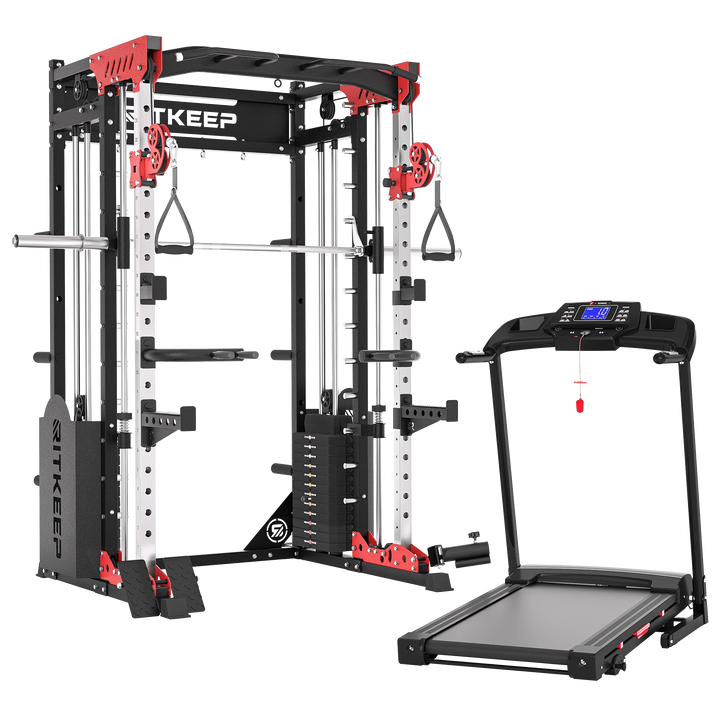
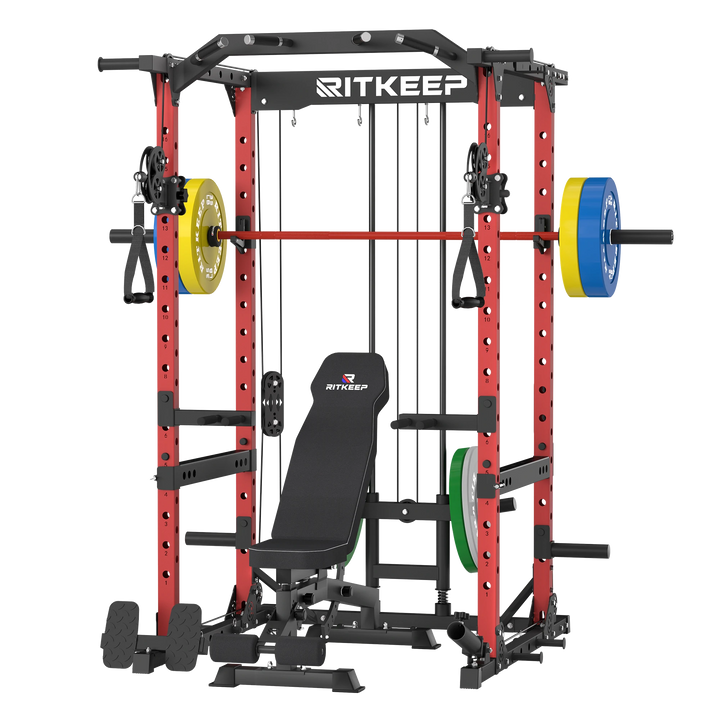
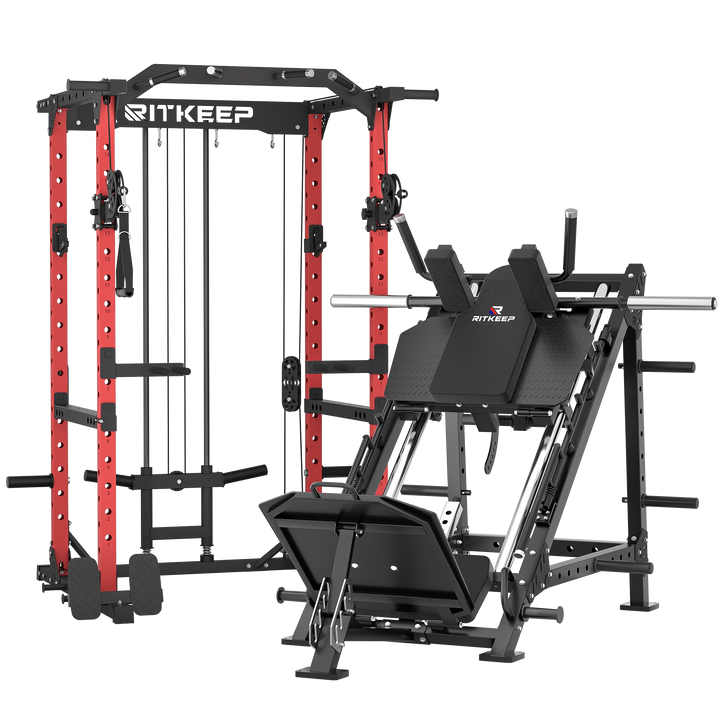
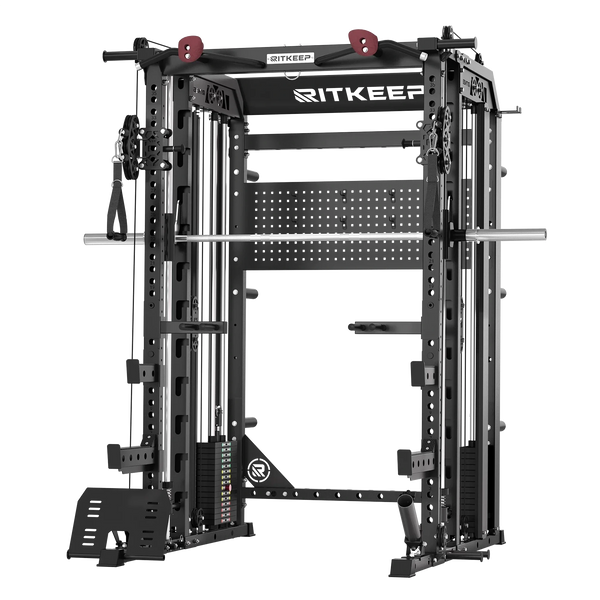
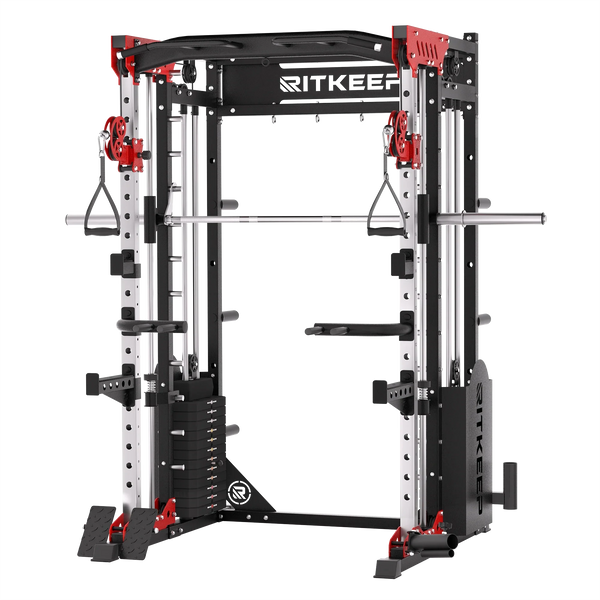
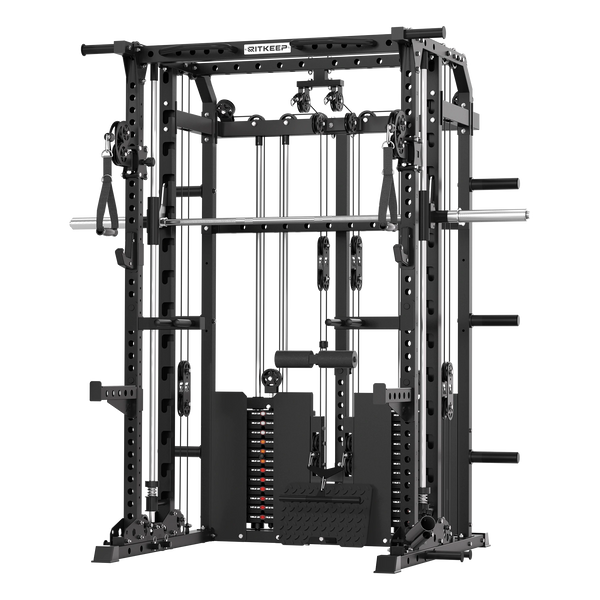
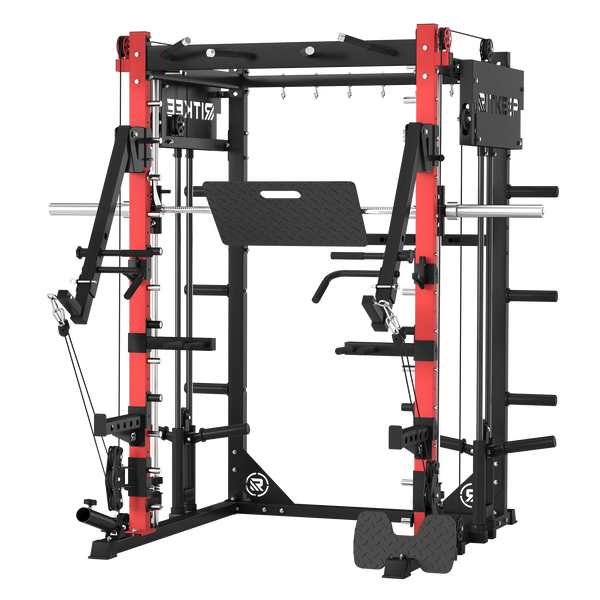
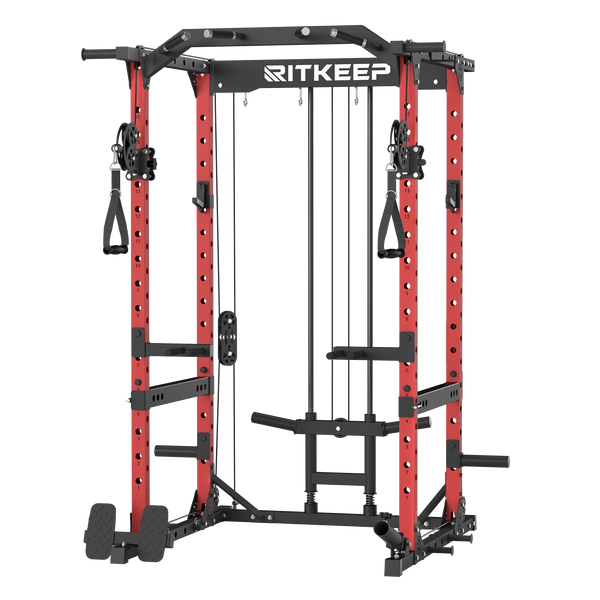
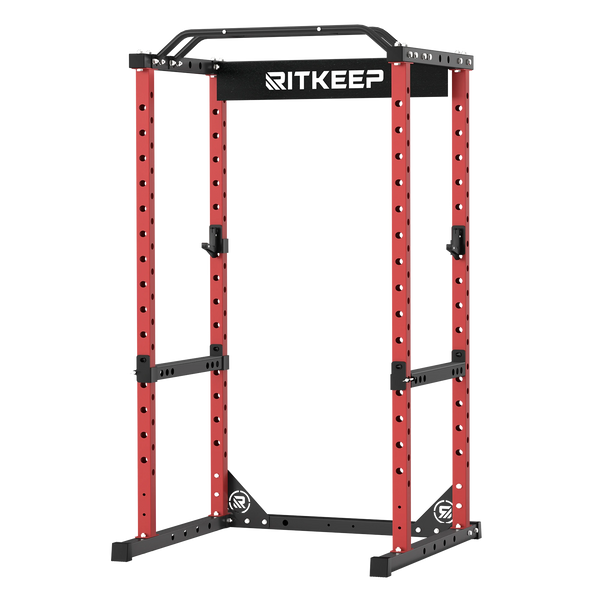
A modern multi-functional power rack with an integrated pulley system is a more practical solution for home gyms. RitKeep models such as the Destroyer M10, PMAX 5600, Anvil S1, PMAX 4750, and Nimitz N1 include versatile cable systems that allow users to perform cable crossovers, lat pulldowns, low rows, squats, presses, and more on one machine.
Instead of filling your garage with multiple commercial machines, an all-in-one training station can help you save space while still supporting a complete strength training routine.
FAQ
How often should I train chest with cables?
You can include cable crossovers 2 to 3 times per week, usually at the end of your chest or push-day workouts as an isolation finisher.
Are cables better than dumbbells for flyes?
Cables provide more consistent tension throughout the movement, while dumbbells lose tension at the top of the fly. This makes cable crossovers especially useful for controlled chest isolation.
Can beginners use a cable crossover machine?
Yes. The guided pulley path makes cable crossover exercises beginner-friendly and helps users learn proper movement control before progressing to heavier free-weight training.
How long until I see results?
With consistent training 2 to 3 times per week and a proper diet, many users notice improved chest pump and fullness within 4 to 6 weeks. More visible muscle growth usually takes around 12 weeks or longer.
Do I need heavy weight for cable work?
No. Cable crossovers are isolation exercises. Focus on controlled movement, a deep stretch, and a strong squeeze instead of using the heaviest possible weight.
What handles are best for cable crossovers?
Standard D-handles are the most versatile option because they allow your wrists to move naturally through the exercise path.
Conclusion
Mastering the cable crossover is one of the most effective ways to improve chest development. By adjusting pulley height and using high-to-low, low-to-high, and standard cable crossover variations, you can train the upper, middle, and lower chest more completely.
With the right cable crossover equipment, you do not need a commercial gym to achieve professional-level chest training. A versatile home gym system with adjustable pulleys can give you the freedom to train your chest, back, shoulders, arms, and legs from one compact setup.